









If you bought a home in the GTA before 2021, the market has quietly done something remarkable for you. Your mortgage balance went down. Your property value went up. The gap between those two numbers is equity. For most of our members, it is the single largest asset they own, and the one they use the least.
Equity is not spending money. It is leverage, and leverage is a tool that rewards the prepared and punishes the impatient. Before you touch it, you need to know exactly what you have, what it costs to access, and what you intend to do with it.
What your equity actually is
Take today's realistic market value and subtract everything secured against the property. That is your equity. Lenders will typically let you access up to 80% of the appraised value, less what you still owe. A home worth $1.2M with a $600K mortgage leaves roughly $360K of accessible room. That is the theoretical ceiling, not a target.
Two homeowners with identical equity can end up in completely different places, because the number that matters is not how much you can borrow. It is how much your plan can comfortably service if rates move against you.
Three doors into your equity
Each route has a different cost, a different risk profile, and a different kind of investor it suits.
Home equity line of credit
Revolving, interest-only if you want it, and you only pay on what you draw. Best for investors who need dry powder ready for a specific opportunity. The rate floats, so a HELOC rewards short holding periods and disciplined repayment.
Refinance the mortgage
You replace your mortgage with a larger one and take the difference in cash. Lower rates than a HELOC and a fixed payment you can underwrite years ahead. The cost is a penalty if you break mid-term, and a bigger payment for the long haul.
Second mortgage
Sits behind your first mortgage at a higher rate. It exists for timing problems, like a closing date that will not move or a renovation that unlocks value, not for buying and holding. Treat it as bridge financing with a written exit.

Equity only compounds when it is working. Sitting in the walls of your house, it is just a number on a statement.The VIC team
The spread is the whole game
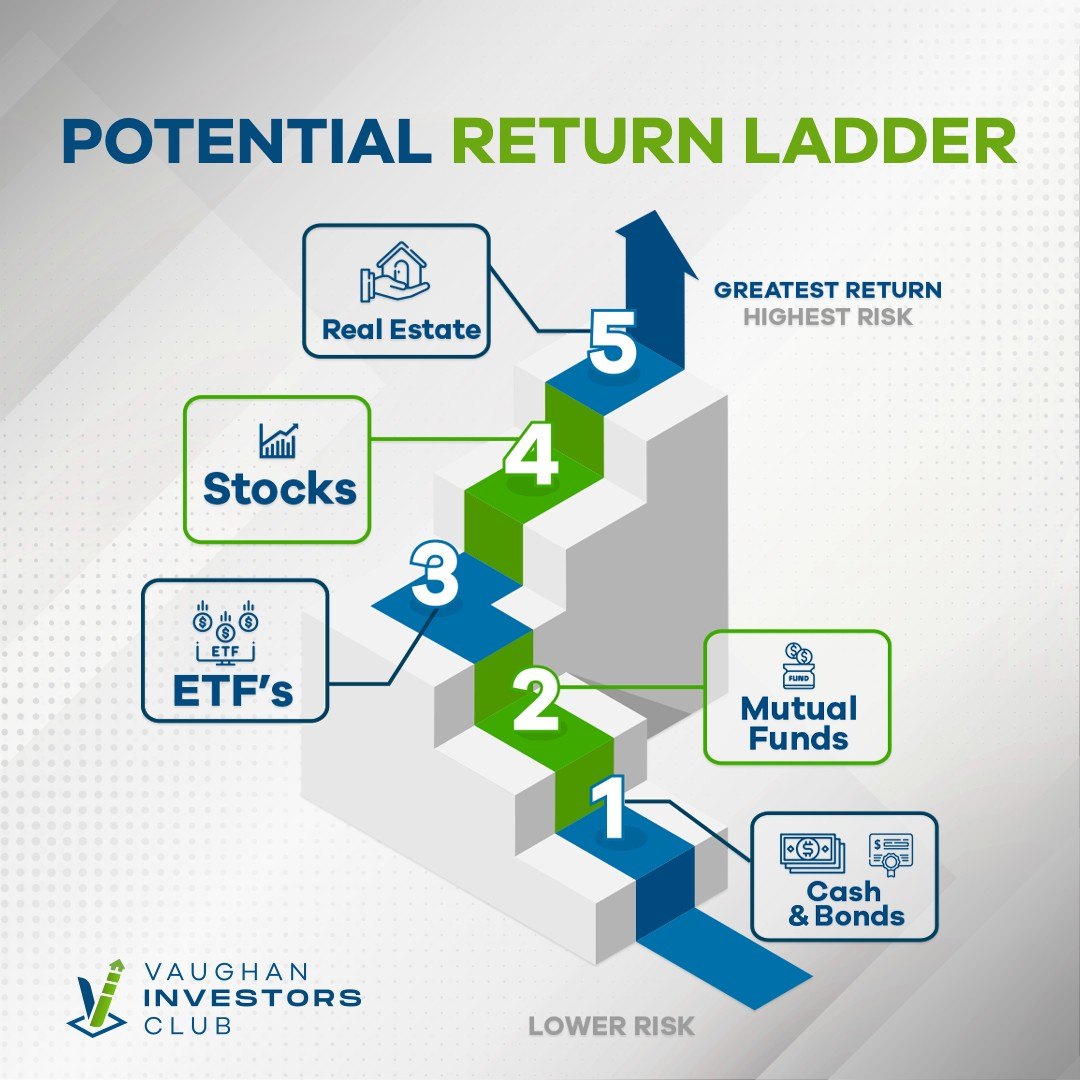
Borrowed equity carries a cost, so the only question that matters is whether your investment reliably out-earns that cost after tax, vacancy, fees and your own time. A three-point spread on $200K is real money. A one-point spread is a rounding error that will vanish the first month something goes wrong.
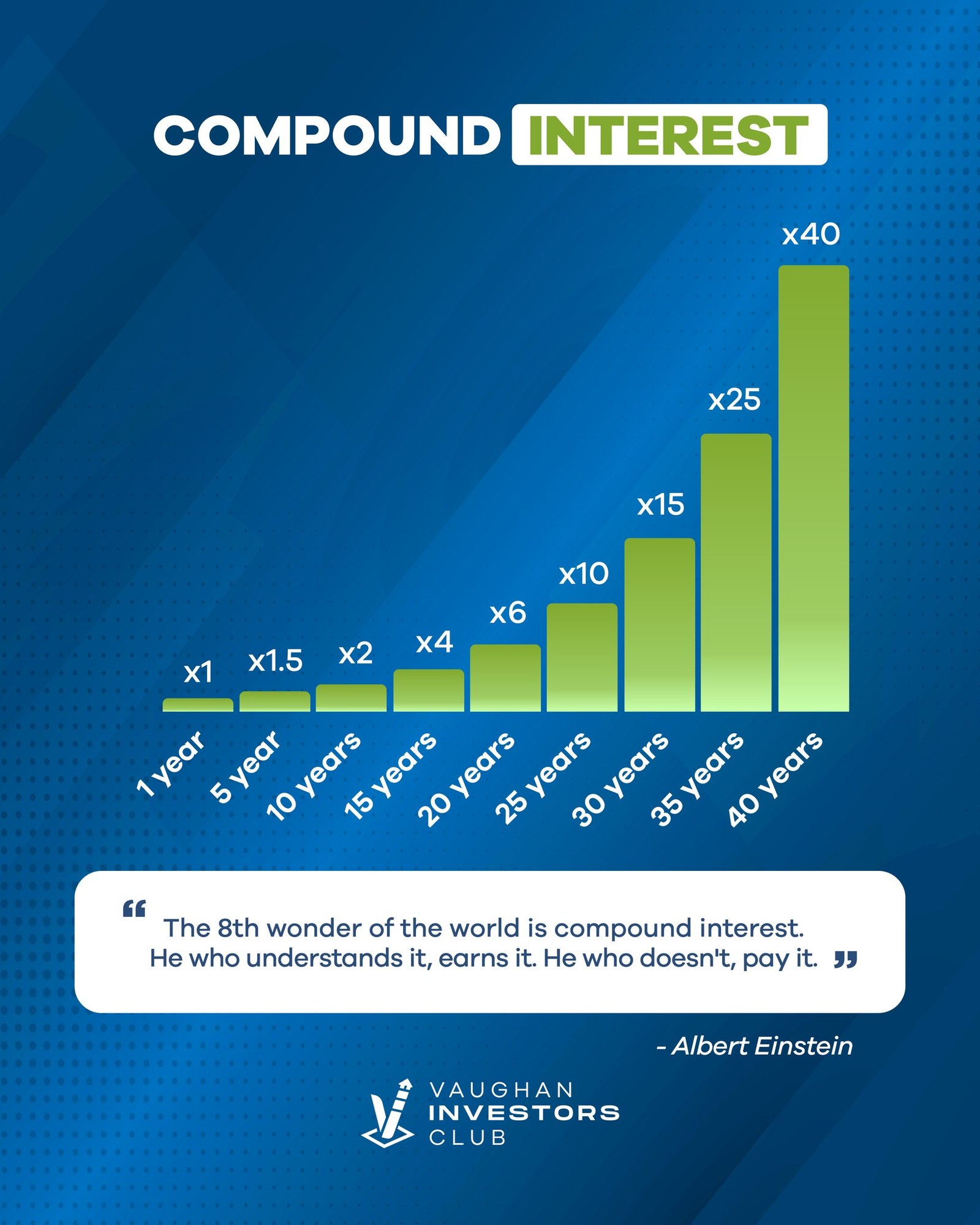
This is also why time horizon matters more than the entry price. Leverage plus patience is how ordinary portfolios become large ones; leverage plus a short fuse is how they end.
Where people get hurt
Borrowing to the ceiling. Using every available dollar leaves no room for a rate hike, a repair, or a bad tenant. Leave a buffer you would be embarrassed to admit is that large.
Funding lifestyle, not assets. A kitchen is a purchase. A cash-flowing asset is an investment. Equity does not care which one you choose, but your balance sheet will.
Skipping the tax conversation. Interest on funds borrowed to earn income may be deductible; interest on everything else is not. Structure it correctly at the start, with an accountant, in writing.
We have never seen anyone regret running the numbers twice. We have seen plenty regret running them once.The VIC team
Your next move
Pull your current mortgage statement and a realistic valuation of your home. Write down the accessible number, then write down what you would do with half of it. If the second answer takes longer than a paragraph, you are not ready yet, and that is useful information too.
Bring your numbers to the next event
Learn alongside GTA investors who have financed deals this way, and bring the questions this article could not answer.
© 2026 Vaughan Investors Club, Vaughan, Ontario. Educational content only, not financial, mortgage or tax advice. Speak with a licensed professional before borrowing against your home.